The Culture of Reader Discussions: Fostering Digital Communities
The Culture of Reader Discussions: Fostering Digital Communities
Reader discussions have transformed the digital landscape over the past two decades. What began as simple comment sections has evolved into sophisticated ecosystems where ideas flourish and communities thrive. Whether you’re exploring a news portal, blog, or want to have some fun at Revolutcasino, the presence of active reader engagement often determines its long-term success. These conversations represent more than mere reactions; they embody collective intelligence, diverse perspectives, and the human desire to connect over shared interests.
The culture surrounding these discussions reflects broader societal changes in how we consume and interact with content. Modern readers aren’t passive consumers—they’re active participants who contribute knowledge, challenge assumptions, and build upon original ideas. This shift has fundamentally altered the relationship between content creators and their audiences, creating a collaborative environment where everyone has a voice.
Building Respectful Discussion Spaces
Creating environments where productive conversations can flourish requires intentional design and community management. Successful platforms understand that the tone set early establishes patterns that either encourage constructive dialogue or allow toxicity to take root.
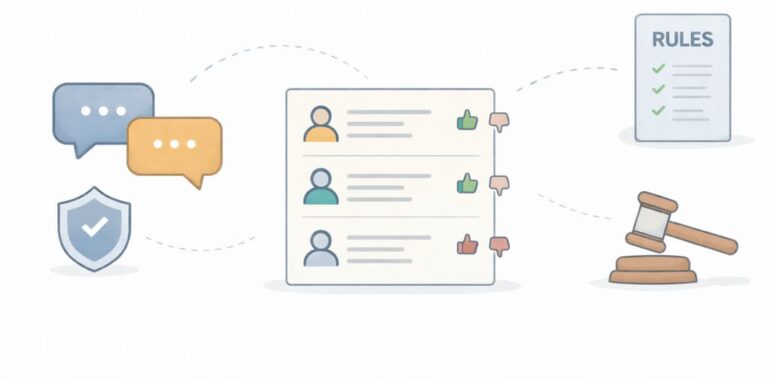
Moderation plays a crucial role in maintaining healthy discussion cultures. The most effective approaches balance free expression with community standards, ensuring all participants feel safe sharing their perspectives. Clear guidelines help readers understand expectations, while consistent enforcement demonstrates that rules matter. However, heavy-handed moderation can stifle genuine conversation, so finding the right balance remains an ongoing challenge.
The architecture of discussion spaces also influences behavior. Threaded conversations allow for nuanced exchanges, while upvoting systems surface valuable contributions. Some platforms experiment with time delays before comments appear publicly, giving participants a moment to reconsider inflammatory remarks. These design choices shape how people interact and what kinds of discussions emerge.
The Psychology Behind Reader Engagement
Understanding why people participate in online discussions reveals important insights about human nature and digital community dynamics. Several motivations drive reader engagement, from the desire to share expertise to the simple pleasure of social connection.
Many participants seek validation through likes, replies, and acknowledgment from peers. This feedback loop can encourage continued participation when positive, but may also lead to attention-seeking behavior when taken to extremes. Others engage primarily to learn, viewing discussions as opportunities to access diverse viewpoints they wouldn’t encounter in their immediate circles.
Identity formation represents another powerful motivator. Regular participants often develop reputations within communities, becoming recognized voices on particular topics. These digital identities can become meaningful parts of how individuals see themselves, creating strong incentives for ongoing engagement. The sense of belonging that emerges from consistent participation fulfills fundamental human needs for connection and tribal affiliation.
Quality Over Quantity in Discussions
Not all reader comments contribute equally to meaningful dialogue. The difference between vibrant, insightful discussions and superficial exchanges often comes down to the quality of contributions rather than sheer volume.
Thoughtful platforms encourage depth through various mechanisms. Some limit comment frequency to prevent spam and encourage reflection. Others highlight particularly insightful contributions through editorial curation or community nominations. Long-form comments that demonstrate genuine engagement with the original content tend to inspire more substantive responses than quick reactions.
The “first comment” phenomenon illustrates how timing and positioning affect discussion quality. Early comments often set the tone and direction for entire threads. Recognizing this, some communities implement waiting periods or randomize comment display to ensure early contributions don’t dominate unfairly. These interventions aim to create more democratic spaces where quality ideas can surface regardless of when they’re posted.
Educational content about effective communication also raises discussion quality. When communities teach participants how to engage productively—using evidence, acknowledging opposing views, asking clarifying questions—overall discourse improves measurably.
The Future of Reader Interactions
Emerging technologies and evolving social norms continue reshaping discussion cultures. Artificial intelligence already moderates many large platforms, identifying problematic content faster than human teams could manage. However, these systems sometimes struggle with context and nuance, occasionally censoring legitimate discussions while missing subtle toxicity.
Decentralized platforms are experimenting with new governance models where community members directly shape moderation policies and discussion norms. These experiments challenge traditional top-down approaches, distributing power more broadly among participants. Whether these models can scale while maintaining quality remains an open question.
Virtual and augmented reality may eventually transform text-based discussions into more immersive experiences. Imagine conversations where tone, gesture, and spatial positioning add layers of meaning impossible in traditional comment threads. These technologies could make online discussions feel more natural and nuanced, though they also introduce new challenges around accessibility and anonymity.
The culture of reader discussions will continue evolving as long as people seek connection and meaning online. By understanding what makes these spaces work—respect, thoughtful moderation, quality contributions, and genuine community—we can build digital environments where dialogue enriches everyone involved. The conversations happening right now in comment sections across the internet represent humanity’s ongoing experiment in collective sense-making, and their evolution will shape how we communicate for generations to come.
Cultivating Your Own Discussion Community
Building a thriving discussion culture requires patience, consistency, and genuine commitment to your community members. Start by actively participating in conversations yourself, demonstrating the type of engagement you hope to inspire. Respond thoughtfully to comments, acknowledge valuable contributions, and address concerns transparently. Your presence signals that the discussion space matters and that reader voices are heard.
Set clear expectations from the beginning about acceptable behavior and communication standards. Pin community guidelines prominently and reference them when necessary. Celebrate positive examples of constructive dialogue to reinforce desired behaviors. Remember that communities reflect the energy and values their leaders project. Invest time in nurturing relationships with regular contributors who can become informal ambassadors for your platform’s culture. These invested members often help moderate naturally, welcoming newcomers and maintaining standards through peer influence. With dedication and thoughtful stewardship, you can create discussion spaces where meaningful connections form and ideas truly flourish.